NATURAL COSMETICS
Far from preconceived ideas that identify natural cosmetics with homemade or basic preparations, today's natural cosmetics combine the best of nature with the advances of biotechnology. Here is how:
Natural cosmetics are much more than a trend: they are a way of understanding skincare based on respect, consistency, and connection with the body's natural rhythms
In a time when we seek more honest, sustainable formulas that are compatible with our skin and the environment, ingredients of natural origin are reclaiming their place as essential allies for well-being.
Understanding what is behind a product, how it acts on the skin, and what differentiates it from other cosmetic proposals is the first step to choosing wisely and turning a daily routine into an authentic care ritual.
What is considered natural cosmetics?
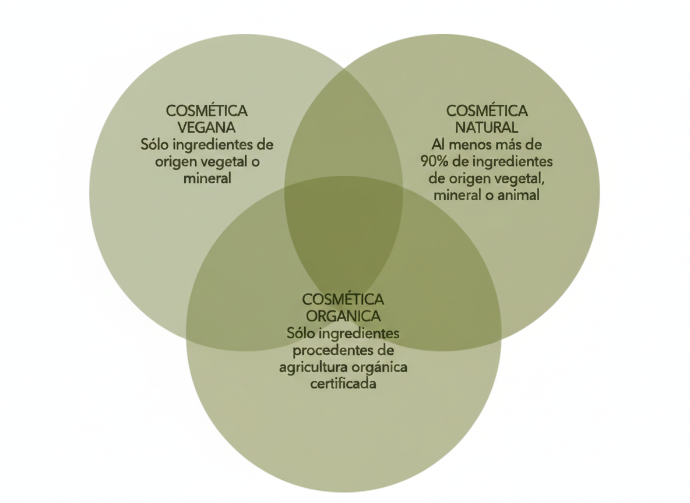
First, it is important to know the difference between natural, vegan, and organic cosmetics. All of these are primarily formulated with ingredients of natural origin and contain a lower percentage of chemical ingredients, making them especially suitable for sensitive or reactive skin.
Natural Cosmetics: Most ingredients come from plants, minerals, or animals without exposure to synthetic processes, excluding substances like sulfates, silicones, and parabens. A product with at least 90% natural ingredients is considered natural cosmetics. The remaining 10% may consist of biotechnological ingredients that contribute to efficacy and preservation while remaining safe for the skin.
Vegan Cosmetics: These exclude any ingredient of animal origin, such as honey, dairy, waxes, and certain types of collagen. Note that European regulations prohibit animal testing for all cosmetics, meaning all cosmetics in Europe are Cruelty-free by law.
Organic Cosmetics: These must be duly certified and contain ingredients from organic farming free of pesticides, fertilizers, and genetically modified organisms, following specific regulatory lists.
How do natural ingredients work?
Essential oils, botanical extracts, vegetable oils and butters, or natural biotechnological actives form the backbone of natural cosmetics.
1.Respectful Actives: Generally, these actives are less aggressive and more respectful to both skin and hair. Because they are more compatible with the skin, they are absorbed according to specific needs, collaborating with natural processes rather than replacing them. This applies to 100% natural components like Extra Virgin Olive Oil (EVOO) as well as biotechnological ingredients like hyaluronic acid, which act progressively without harming the epidermis microbiota.
2.High Nutrient Content: Natural ingredients are complexes rich in vitamins, minerals, and antioxidants, providing superior nutrition and hydration while protecting against oxidation and inflammation. For example, broad-spectrum ingredients like maslinic acid (from olive skin) or centella asiatica extract act as antioxidants, anti-inflammatories, and nutrients.
Differences from conventional cosmetics
It is not a matter of efficacy or safety, but of principles. However, there are key differences:
Sustainability: High-level natural cosmetics are more sustainable, requiring stricter control over ingredient traceability and manufacturing processes with lower environmental impacts regarding water consumption, carbon footprint, and packaging.
Cosmetological Model: They focus on health and natural longevity rather than "miracle" results that might risk the microbiome balance or cell renewal. While aggressive cosmetics promise instant effects (like immediate lifting or chemical peels), natural cosmetics seek results in the medium and long term, respecting the skin's 28-to-40-day renewal cycle.
Sensoriality: Natural cosmetics are highly sensory due to textures from vegetable oils and butters (like hazelnut oil or shea butter) and fragrances from essential oils or plant extracts like rose.
Healthy skin comes in different types: normal, dry, oily, combination, and sensitive. It is advisable to check which skin types a product is suited for and review the ingredient list. Skins with special conditions like atopy, severe acne, rosacea, or psoriasis require special medical or cosmetic products prescribed by dermatologists or pharmacists.