The Fragrance of Al-Andalus
Let’s close our eyes for a moment… In Sultan Muhammad V’s palace at the Alhambra, the final days of winter stretch out the afternoons in the warmth of the braziers that heat the royal chambers, perfumed with a blend of camphor, moss, sandalwood, and rose water—a true feast for the senses. It is the year 1365, at the height of the Nasrid dynasty’s splendor, and one of the most powerful men in the kingdom, the physician-philosopher-poet and politician Ibn Al-Khatib, has just completed the founding of the great Maristan, the supreme hospital, where for the first time pandemics such as the plague are treated, with an emphasis on hygiene and asepsis; Al-Khatib himself has prescribed incense blends made from storax, frankincense, and amber, to which lavender flowers were also added to prevent infectious diseases. In the palace baths, regularly frequented by the men and women of the great Nasrid court, the scent of amber mingles with that of orange blossom, roses, jasmine, and myrtle, in the form of ointments, oils, and beauty waters, while the body relaxes and rejuvenates in the hot, humid atmosphere of the Hammam, and the garments are perfumed with orange, lemon, mint, or lemon balm waters…
Not far from the sultan’s royal palace and the chambers where poets, physicians, philosophers, and administrators uphold the splendor of the kingdom, the mosque is perfumed with musk, al-misk, an extraordinarily rare essence that lifts the spirit and fosters a connection with the divine.
On the cusp of the 15th century, with the Nasrid dream about to come to an abrupt end, Al-Andalus was a vast garden, an orchard where plants, fruit trees, flowers, and medicinal herbs had taken root; and this garden was an incredible treasure trove of scents at the service of a civilization for which the sense of smell was intimately linked to its ideals of beauty, health, and refinement.
Historian Alicia Girona perfectly sums up the importance of Al-Andalus’s olfactory culture,
“Spices and fragrant essences were central to the tradition of al-Andalus. Among other reasons, because they were considered beneficial to health—since they were believed to invigorate the mind and serve as a sensory stimulant—they were highly prized by the people of al-Andalus: men and women alike, and across all social classes.”
"Thanks to a long and extensive trade network, these fragrant substances reached al-Andalus via the spice routes. They could be used in various ways and in different forms, such as liquid perfumes and cosmetics, or even as incense. Regarding the latter, we must bear in mind that the word incense refers—in addition to frankincense—to any material that can be burned to perfume a cultural or domestic space, clothing, or parts of the human body."
Al-Andalus was a vast laboratory where physicians, alchemists, and botanists assimilated all the knowledge coming from the East—particularly from Persia, Syria, and Arabia—via the Silk and Spice Routes, transforming it into a culture of well-being that was extraordinarily advanced for its time.
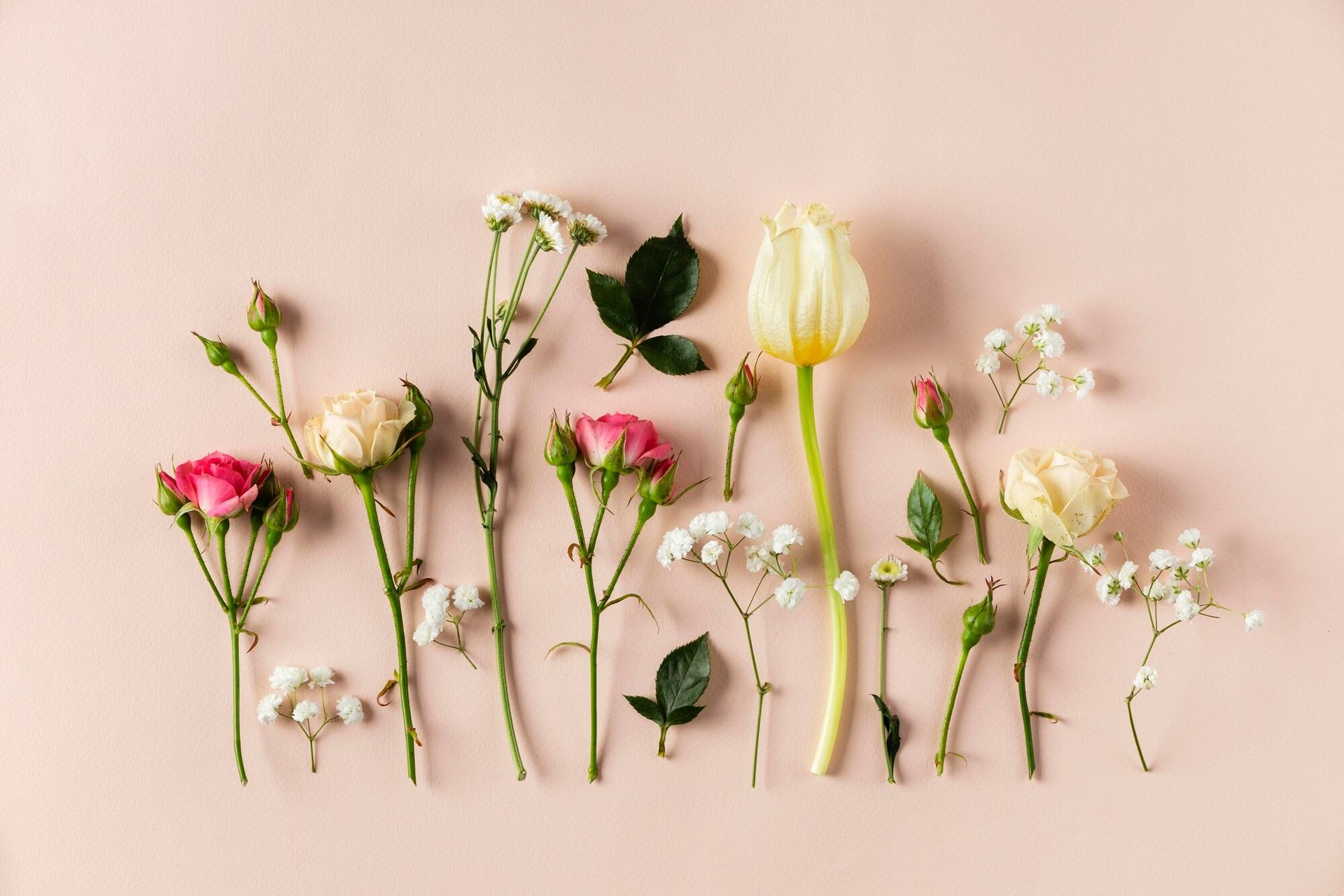
The Andalusians' preference for woody scents such as camphor, cedar, amber resin, spices such as cloves or saffron, and animal-derived scents like musk extracted from a gland found in male musk deer, stems from their staying power and longevity, which allowed them to perfume leather or fabrics and maintain their scent for longer; when it came to floral scents, sweeter accords reigned, such as rose, jasmine, or orange blossom—a symphony in which mystery and sensuality coexisted perfectly with the needs of hygiene, health, and the elevation of the spirit.
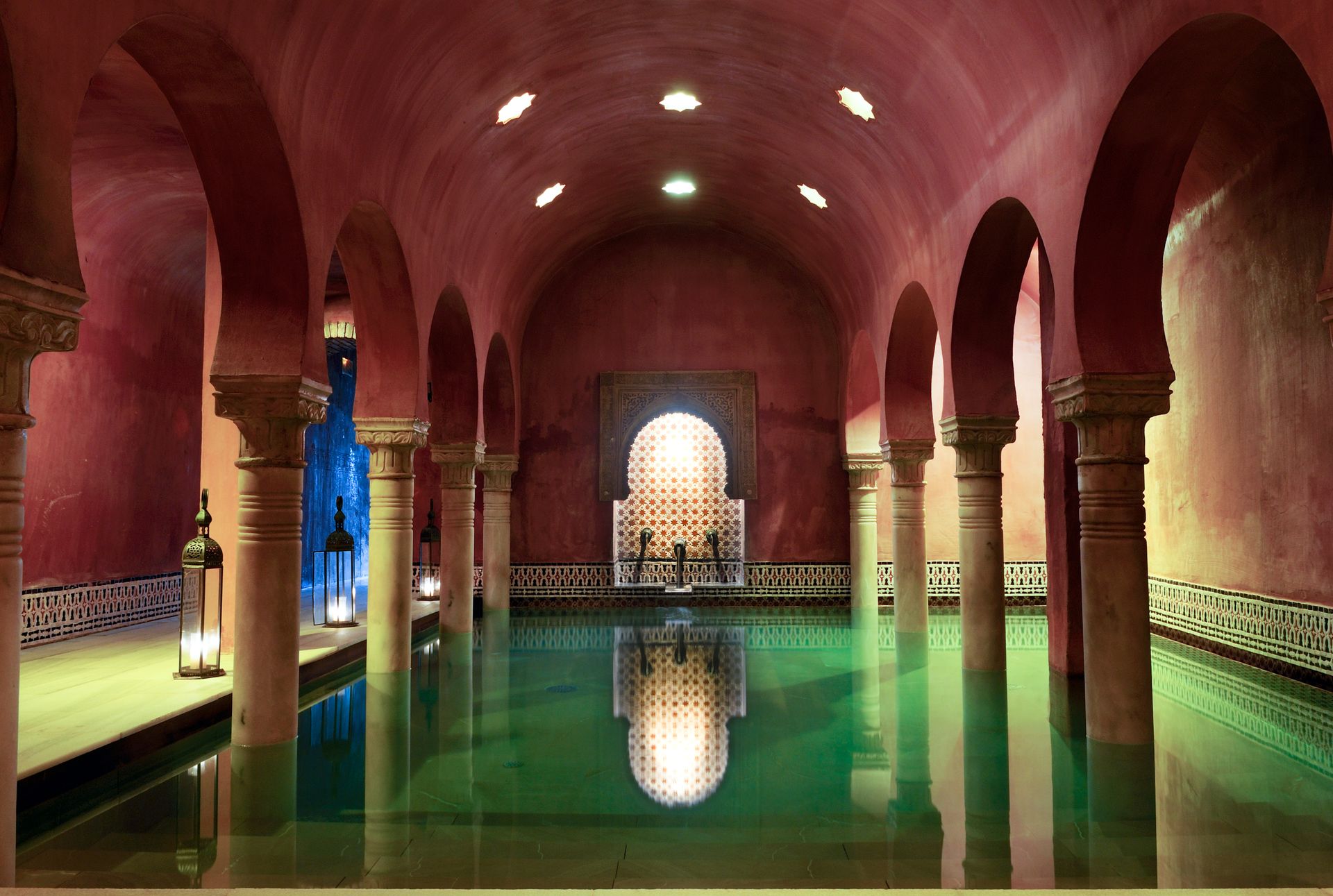
None of this can be understood without considering the ubiquity of the bathhouse; one must remember that in the great cities of Al-Andalus—such as Granada, Córdoba, Málaga, and Murcia, to name just a few—there were hundreds of bathhouses that men and women of all social classes frequented regularly to purify themselves, give their bodies a respite, and stimulate their senses. Each bathhouse offered an endless array of perfumed cosmetic preparations that transformed the hammam into a true beauty center.
Never has a culture placed such importance on the sense of smell, and it is this threefold dimension—hedonistic, medical, and spiritual—that makes the Andalusian tradition an inexhaustible source of well-being for body and spirit.
Let’s close our eyes once more; winter is about to end, and spring will bring new splendor to the gardens of Muhammad V’s palace in the Alhambra. Then the court will spend their afternoons strolling through the garden, breathing in the scent of the rosebushes, the lemon trees in bloom, and the earth warmed by the sun—life, too, has its own scent.