The Andalusian garden is a metaphor for life
Rarely in human history has there been such a convergence of knowledge and inspiration as that which gave shape and meaning to the gardens of Al-Andalus.
When Hammam Al Ándalus was founded 25 years ago, we knew that, for the first time since the 16th century, a door was opening to a period in history in which knowledge, beauty, and the care of the body—in perfect harmony with the spirit—marked a bright interlude amid the shadows of the High Middle Ages, a door that invited us to enter a fascinating history while still aspiring to ground ourselves in the present. Because the Andalusian philosophy—which perfectly combines spiritual aspiration, a passion for knowledge, and care for the body—is today, after ten centuries, entirely contemporary. Because in Al-Andalus, philosophy, medicine, and spirituality were practically inseparable, which is why the great physicians of the era, such as Ibn Masawayh, were also philosophers and poets, just as prominent figures like Ibn al-Khatib displayed their scientific, literary, and political talents with equal brilliance; perhaps this is why Al-Andalus is spoken of as a Renaissance several centuries before the one experienced by Leonardo da Vinci.
The gateway in time that we opened with the first Hammam Al Ándalus in Granada also led directly to the garden, because Andalusian baths were in many cases the antechamber to the gardens that transformed the southern lands into veritable orchards; and so, just as the Comares Baths in the Alhambra adjoin the gardens, we wanted our Hammam to have its own garden.
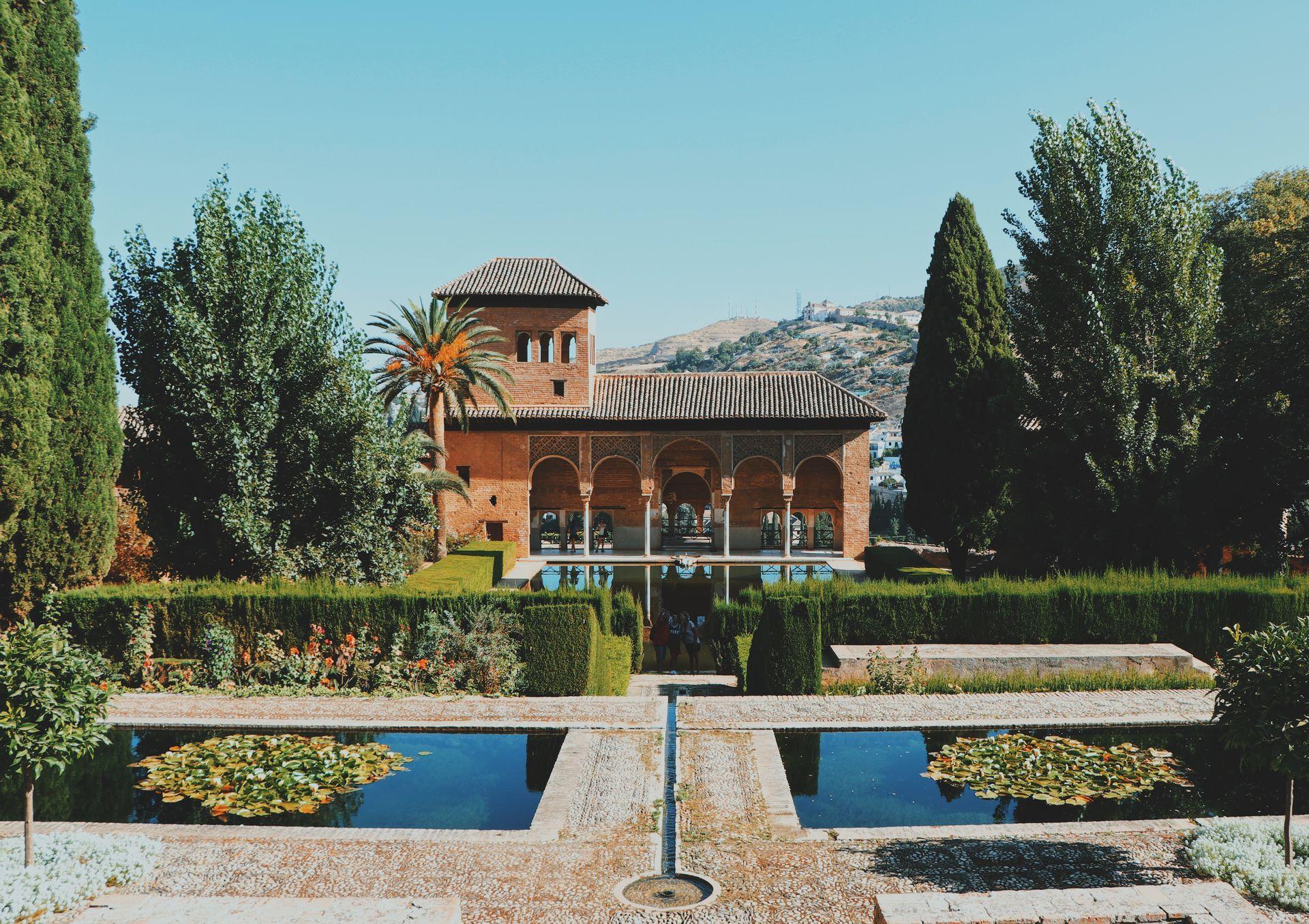
If there is one thing that catches the attention of today’s readers when they leaf through any of the books that describe in detail what an Andalusian garden was like and how it was experienced, it is undoubtedly that indescribable blend of sensitivity, wisdom, and pleasure that constitutes the soul of the garden. Never before, nor for centuries afterward, was the pleasure of the senses considered a fundamental part of a fulfilling life, without any conflict with the highest forms of spirituality. That is why we wanted El Jardín de Hammam to be, above all, a celebration of the joy of living, a hymn to vitality. But not just the pleasure of the senses—also care for the body. Cosmetics, perfume, the use of medicinal plants, and therapeutic oils… reached heights that continue to amaze us today, in part because we still use formulas that were already known in the 9th century. How could we not explore all that knowledge and bring it into the age of biotechnology? How could we not surrender to that entire universe of innovation, diversity, and tradition that forms the foundation of the Andalusian garden?
The garden is an ecological refuge, an open book filled with a thousand stories, the perfect synthesis of nature and human wisdom, but it is also a symbol of paradise—one we can still enjoy today if we set our minds to it—a space for contemplation, for nourishment, and for inspiration, a lasting gift that flows with the rhythm of the seasons and is offered to us unconditionally. The famous phrase by the encyclopedic philosopher Voltaire, “We must cultivate our garden,” should be a daily mantra for those of us living in an age of stress and anxiety.
Let us seek out our own garden, our corner of well-being, of slowness and tranquility, of scents that transport us through a multitude of emotions, of caresses and sounds that are there for us to enjoy, asking for nothing in return.
We want to cultivate our Hammam Garden with the same devotion, knowledge, and sensitivity that gave eternal form to the gardens of Al-Andalus.